
A yacht that sits in a berth for eleven months of the year still costs money every one of them. Charter management is the arrangement that answers that problem: the yacht works while you are not using it, and somebody else runs the operation.
It is not a way of getting a free boat, and any explanation that starts there is selling rather than explaining. It is a trade, with real advantages and real things you give up, and it is worth understanding both before signing anything. Yacht ownership in Greece works well with it, which is why so many owners here use it.
Here is what the arrangement actually involves.
What management covers
Under a charter management agreement the yacht stays yours. What changes is that a company takes over the commercial and practical side of running it: finding the clients, handling the bookings, preparing the boat between charters and looking after it through the season and the winter.
Who does what
The manager
- Marketing the yacht and taking bookings
- Contracts, deposits and client paperwork
- Check-in, handover and check-out each week
- Cleaning and preparation between charters
- Maintenance coordination and technical support
- Winter storage and the pre-season service
The owner
- Ownership of the yacht
- Agreeing the weeks reserved for personal use
- Approving major works and upgrades
- The costs the agreement leaves with them
- Decisions about the yacht’s future and its sale
The exact split is the point of the agreement rather than a standard everyone follows. Two management contracts in the same marina can divide costs, income and responsibilities differently, which is why the document matters more than the brochure.
Owner use vs charter weeks
This is where most owners find the real trade-off, and it is not financial. The weeks that earn the most are the weeks you probably want the boat.
The Greek season runs from April to October. July and August are the peak, they are booked earliest and they are the weeks a management programme most wants free. If you want your yacht for the first fortnight of August every year, that is entirely possible, and it comes out of the yacht’s earning capacity.
| Period | Typically |
|---|---|
| April, May, June | Charter weeks, with owner weeks easier to reserve at either end of the period |
| July and August | The core charter season, and the most expensive weeks to take for yourself |
| September, October | Charter demand tailing off, the period many owners choose for their own cruising |
| November to March | Out of season: storage, maintenance, refit and any works planned for the year |
Owners who take their weeks in May, June, September or October usually get the best of the arrangement. The weather in those months is excellent, the harbours are quieter, and those are not the weeks the programme depends on.
How income works
The yacht generates charter revenue. Out of that revenue come the commissions, the running costs and the management fee, and what remains goes to the owner, on whatever schedule the agreement sets.
How that division is structured varies. Some agreements pay the owner a share of each charter, some work on a fixed annual figure, and some sit somewhere between the two. Each model shifts risk differently: a fixed arrangement gives you predictability and caps the upside; a revenue share does the opposite. Neither is automatically better, and the right one depends on how much variability you are comfortable with.
What no honest management programme offers is a guaranteed return. Income depends on how many weeks the yacht charters, which depends on its type, its age, its base and the season. A realistic conversation about it starts with the specific boat, not with a percentage.
The sensible way to frame the whole thing: management is a way to offset the cost of owning a yacht while it is professionally maintained, and for some owners it covers a large part of that cost. It is not an investment product.
Running costs
Charter income does not arrive net. A yacht in a management programme carries the same running costs as any other, and the agreement decides which side pays which.
The recurring ones are berthing, insurance, annual servicing and antifouling, regular maintenance and the replacement of equipment as it wears. Add the commercial layer on top: certification and inspections for a yacht used commercially, the cleaning and linen between charters, and the consumables a charter week gets through.
Read the agreement specifically for this. The difference between a contract where the manager absorbs routine maintenance and one where it is billed back to the owner is the difference between two very different years.
Wear and maintenance
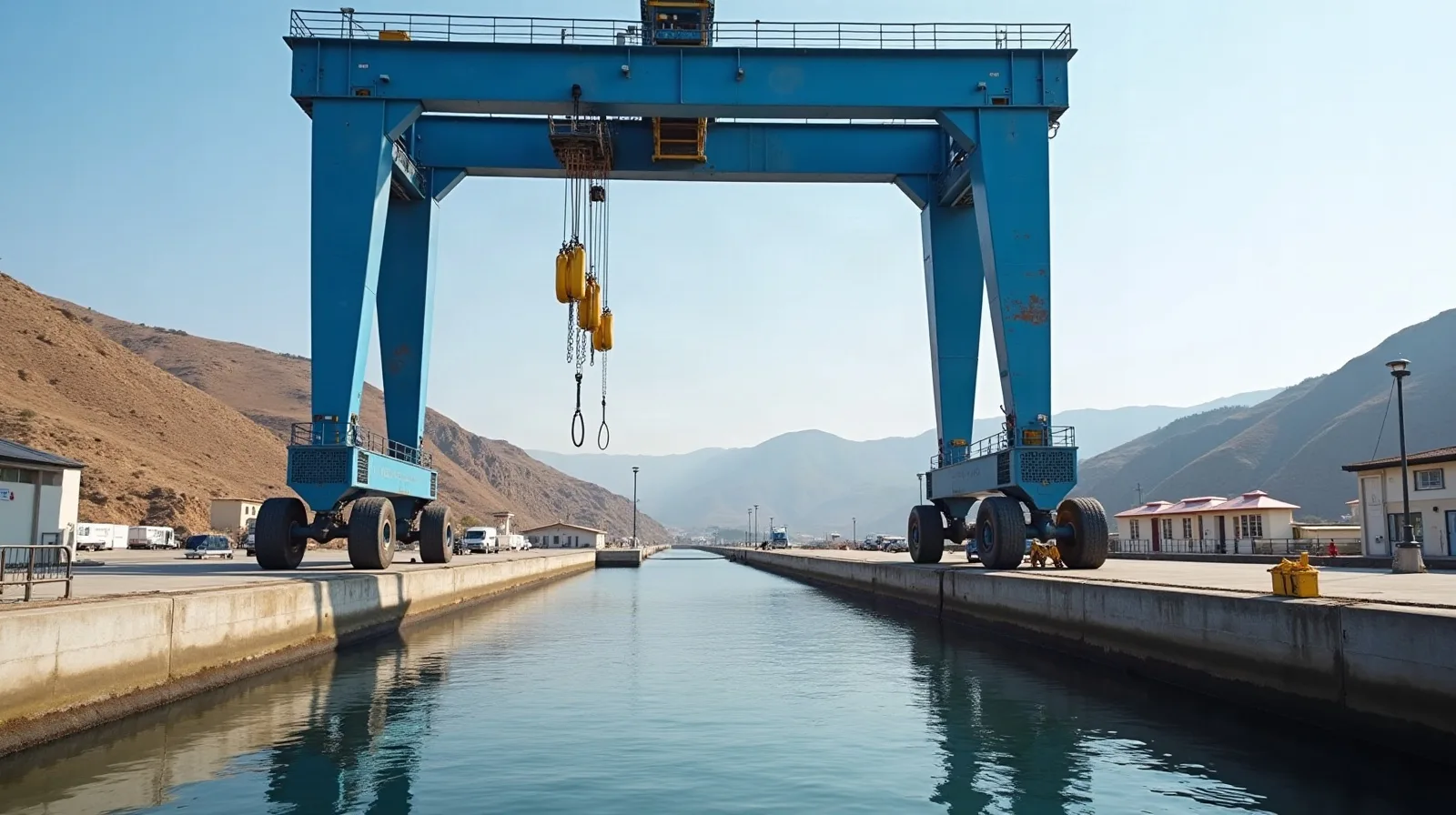
A yacht in charter typically covers far more miles in a season than a privately used yacht. Many different crews will use the engine, the winches, the anchor windlass and the interior in a way no owner ever does, and it shows.
That is the honest cost of the arrangement, and it is why maintenance coordination is the part of a management agreement worth scrutinising most closely. A well-run programme services the yacht between charters, deals with faults during the week rather than at the end of it, and keeps records you can actually read. A badly run one hands you a tired boat after five years.
The other consequence is depreciation. A yacht that has chartered heavily can sell for less than one that has not, which is worth factoring in from the beginning rather than discovering when you come to sell through a brokerage.
When it makes sense
Charter management suits an owner who wants a yacht in Greece, uses it for a few weeks a year, and would rather it were maintained and working than laid up and deteriorating. For that person the arrangement solves a genuine problem.
It suits less well an owner who wants the boat available at no notice, who keeps personal equipment on board, who wants it in peak weeks every year, or who is buying primarily as a financial move. In those cases the friction outweighs the benefit.
The question to ask yourself is not what the yacht might earn. It is how many weeks a year you will actually be on board, and which ones. Answer that honestly and the rest of the decision becomes straightforward.
Whichever way the decision goes, the agreement is worth reviewing every year rather than signing once and forgetting about it. Charter demand shifts, the yacht ages, and the terms that made sense on a new boat in its first season are not necessarily the right ones in its fifth. Owners who treat the arrangement as something they manage, rather than something that runs itself, tend to be the ones still happy with it five years in.
Frequently Asked Questions
Can I put my own yacht into charter?
Yes. Many owners join a charter management programme, which lets the yacht generate income while it is professionally managed and maintained.
Can I still use my yacht myself?
Yes. Owner weeks are agreed as part of the management arrangement. The more of them you want in July and August, the more it affects what the yacht earns.
Is yacht ownership a good investment?
It is a lifestyle investment first. Combined with charter management, owners may offset operating costs while still using the yacht during agreed owner weeks, but income is not guaranteed.
Who pays for maintenance?
That depends on the agreement. Some programmes absorb routine maintenance, others bill it back to the owner, and it is one of the first clauses to check.
Does chartering wear the yacht out?
It uses it far more than private ownership does, which is why maintenance between charters and proper records matter, and why heavier charter use can affect resale value.
Sources
- Royal Yachting Association, Boat buying made easy. https://www.rya.org.uk/members-legal-advice/buying-owning/boat-buying-made-easy/
- Hellenic Coast Guard, Professional craft licence application, e-ΔΛΑ (in Greek). https://edla.hcg.gr/apptypes/detail/ekdosi-aep-epaggelmatikoy-skafoys/
- Eurostat, Seasonality in the tourist accommodation sector. https://ec.europa.eu/eurostat/statistics-explained/index.php/Seasonality_in_the_tourist_accommodation_sector
Tell us what you own, or what you are thinking of buying, and we will go through what management would actually look like for that yacht.
Talk to us about ownership